
Debra Wise & Gregory Maguire on The Culture Show with Jared Bowen
Announcements
12.05.2025
Sing and dance in the season at Spring Sing - fun for the whole family!
Buy TicketsAnnouncements
12.05.2025
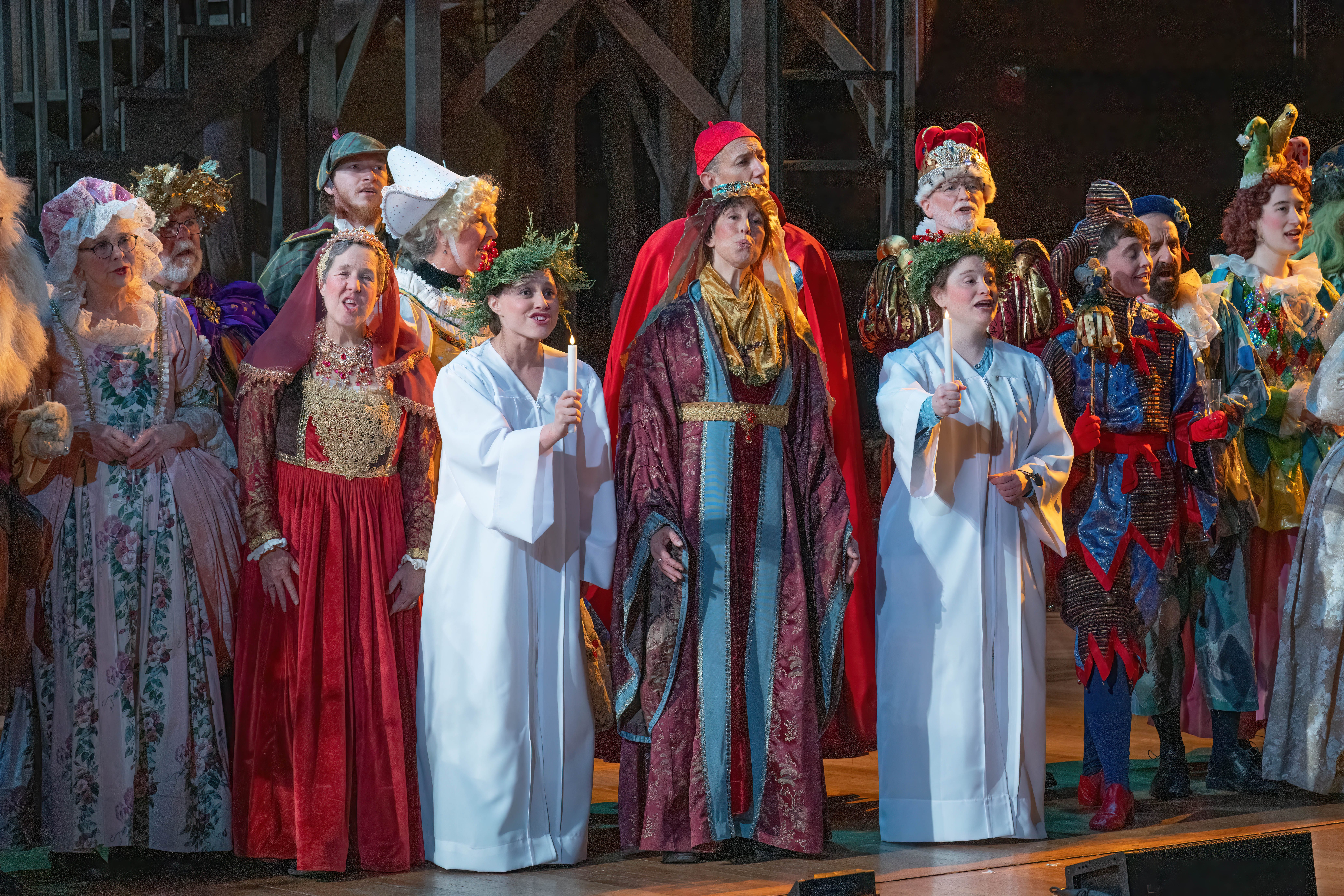
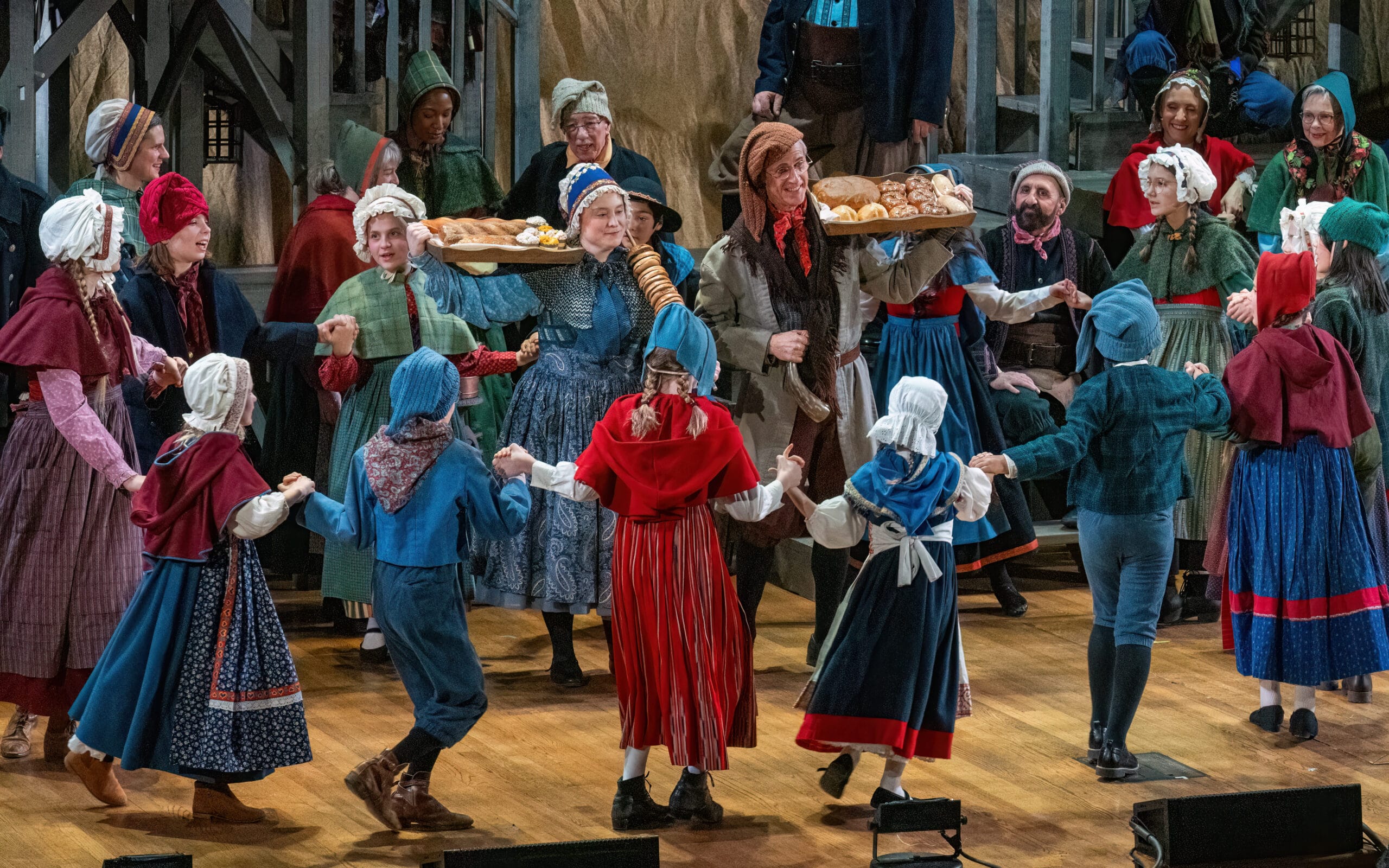
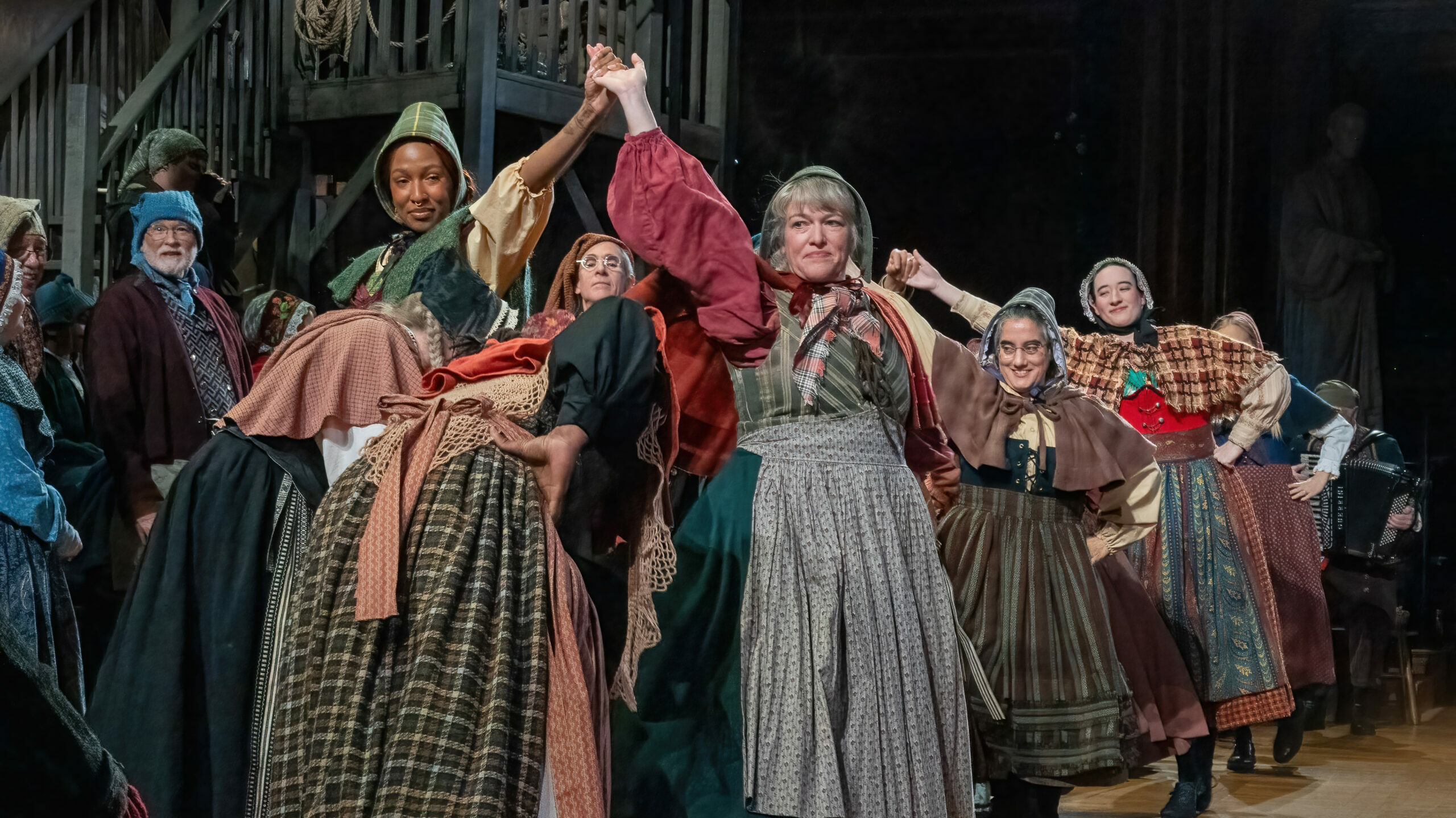
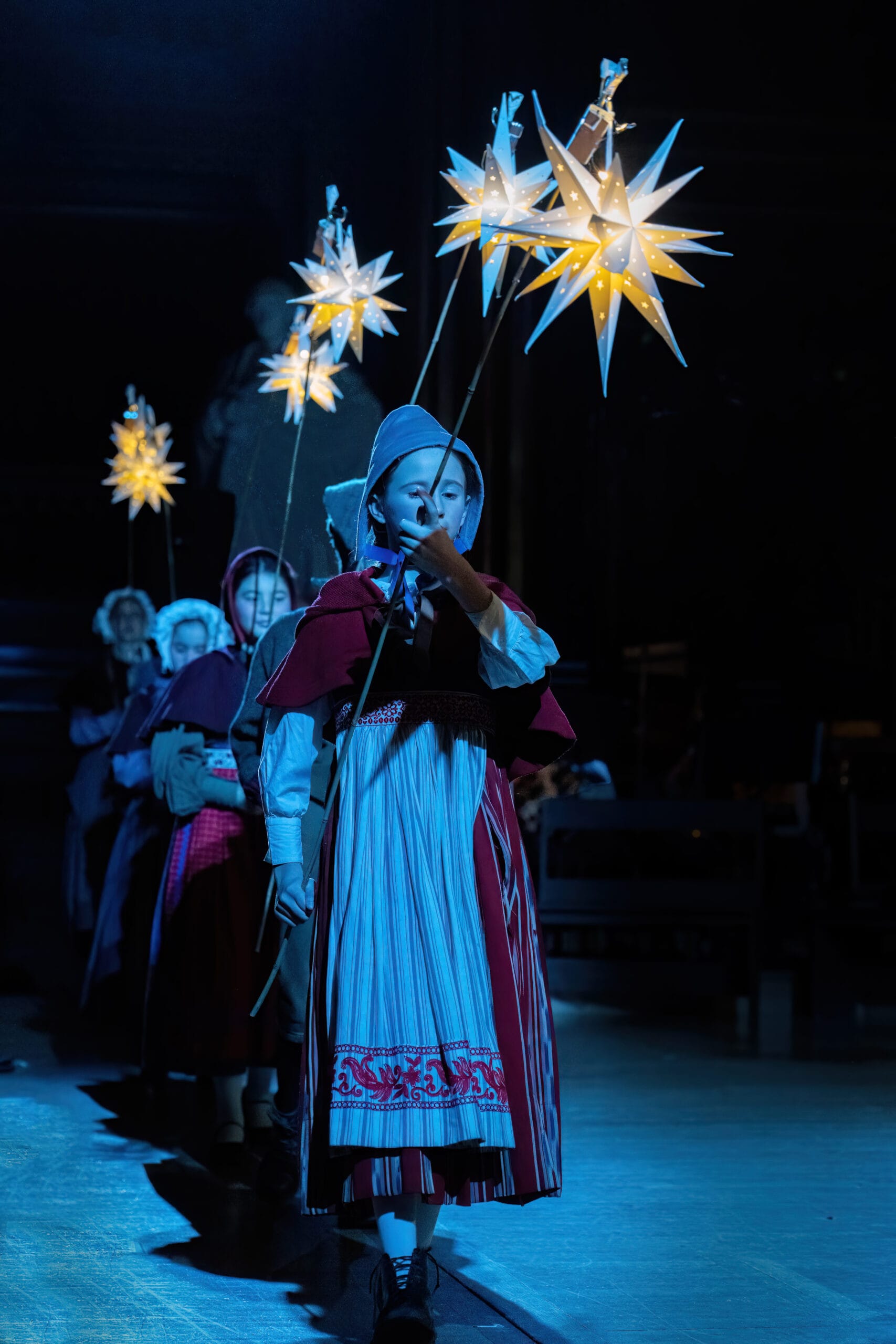

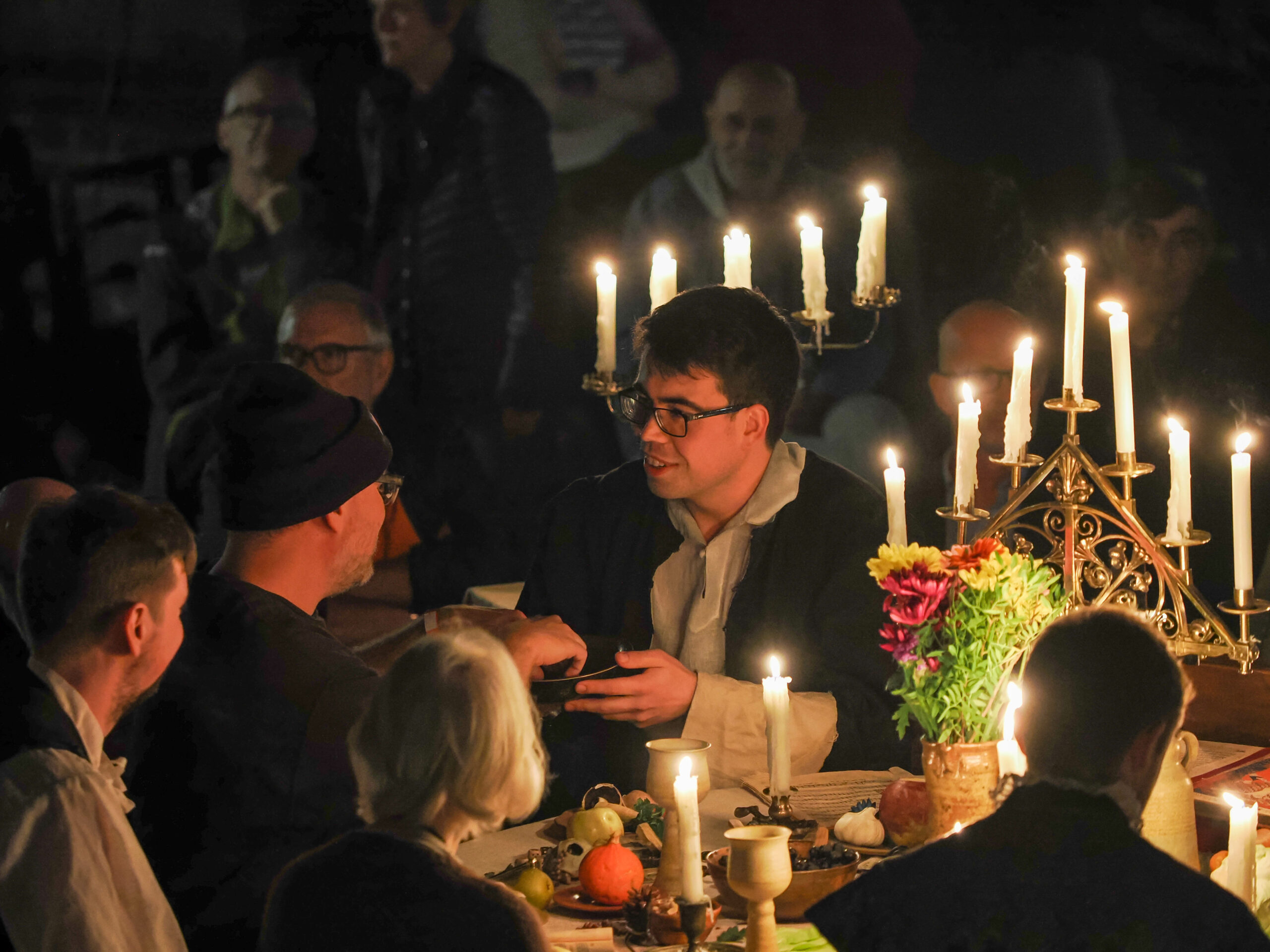
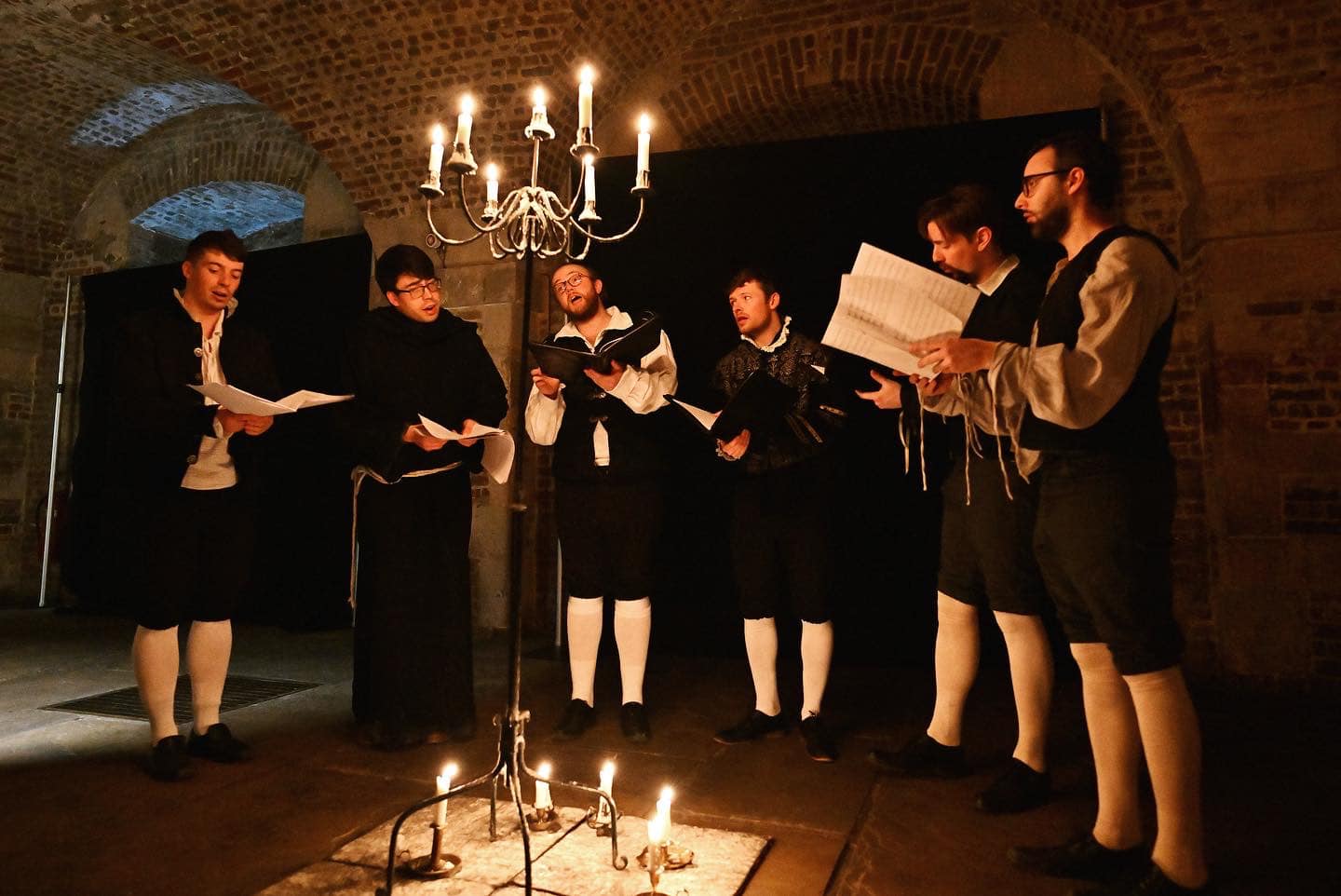
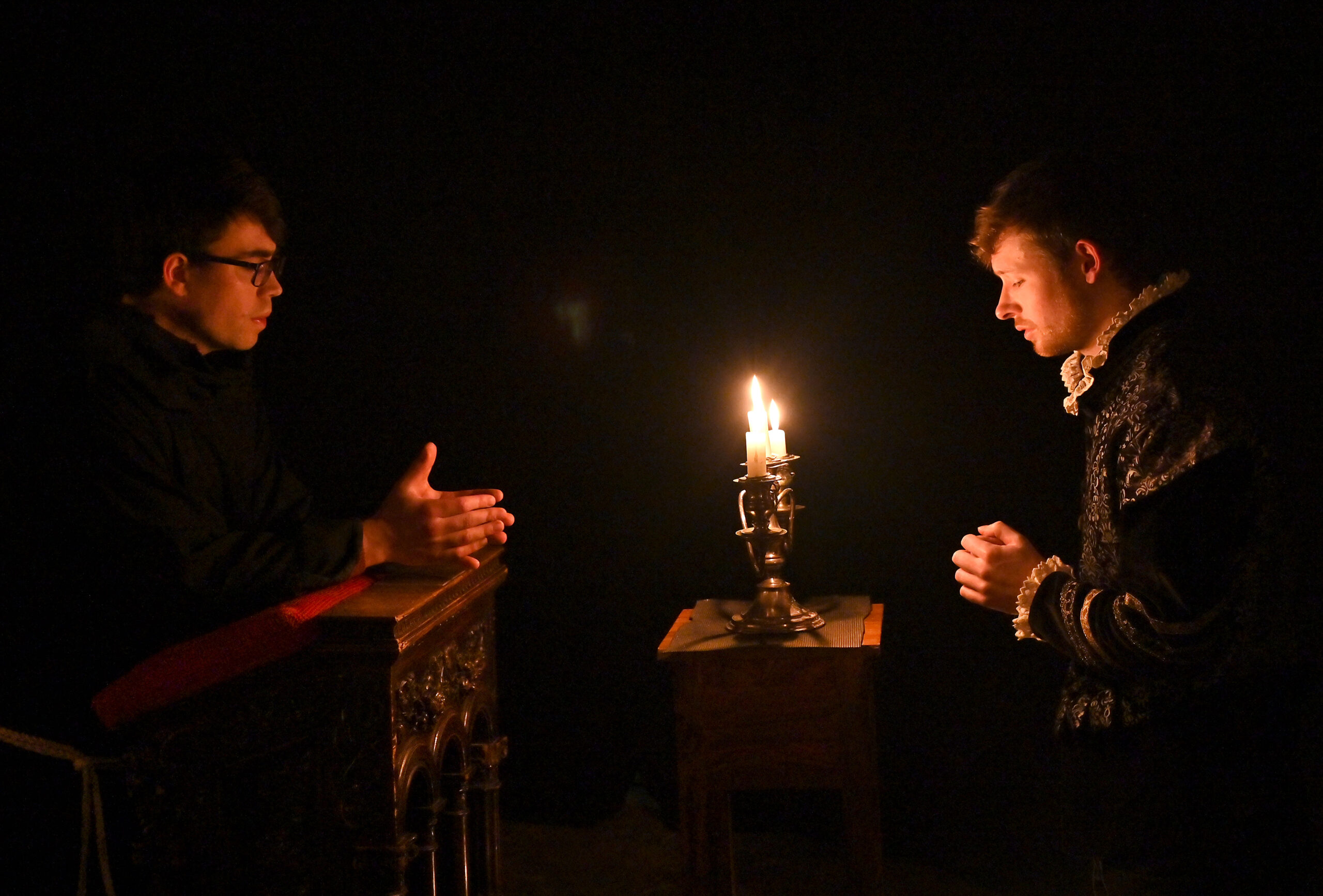
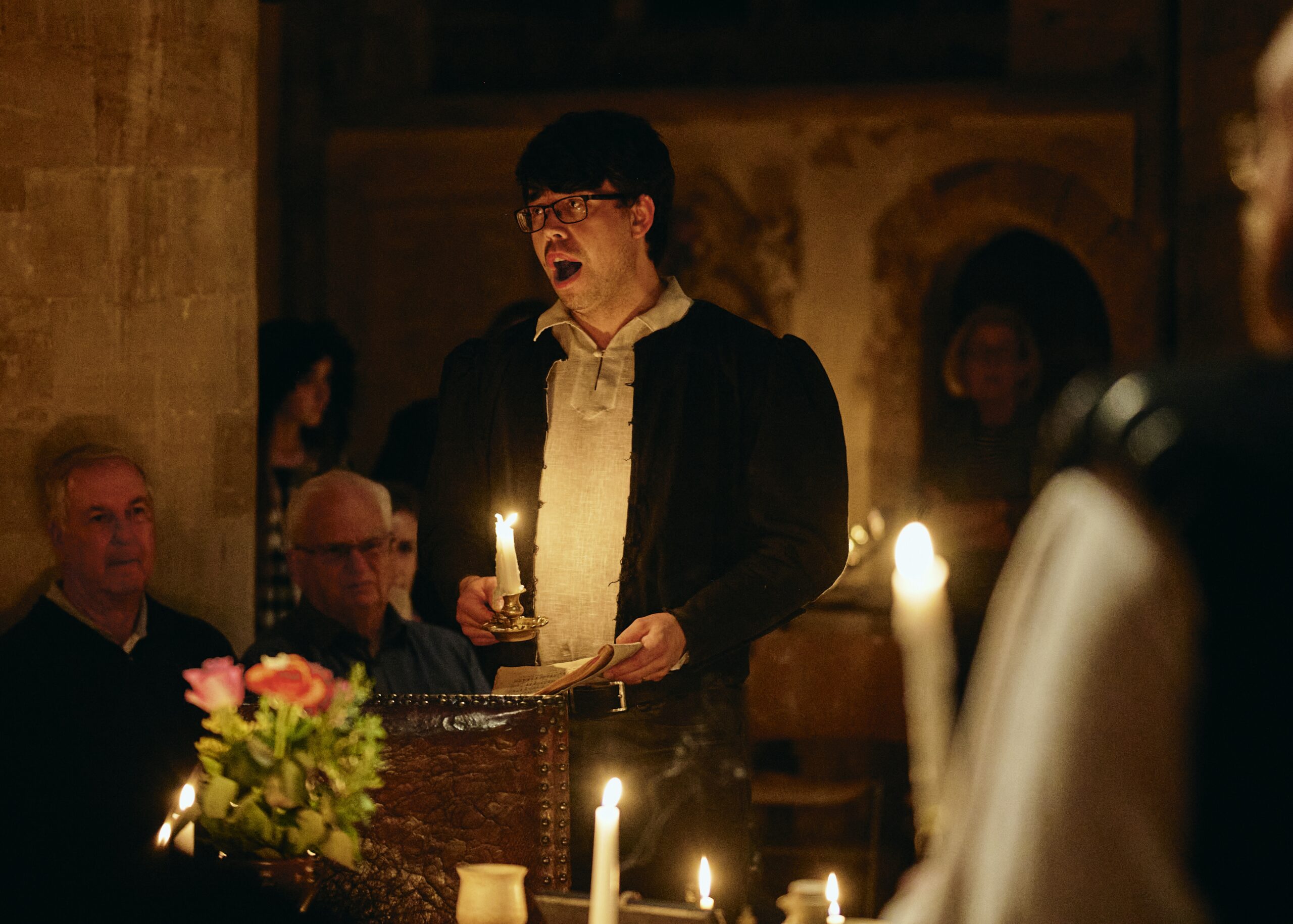

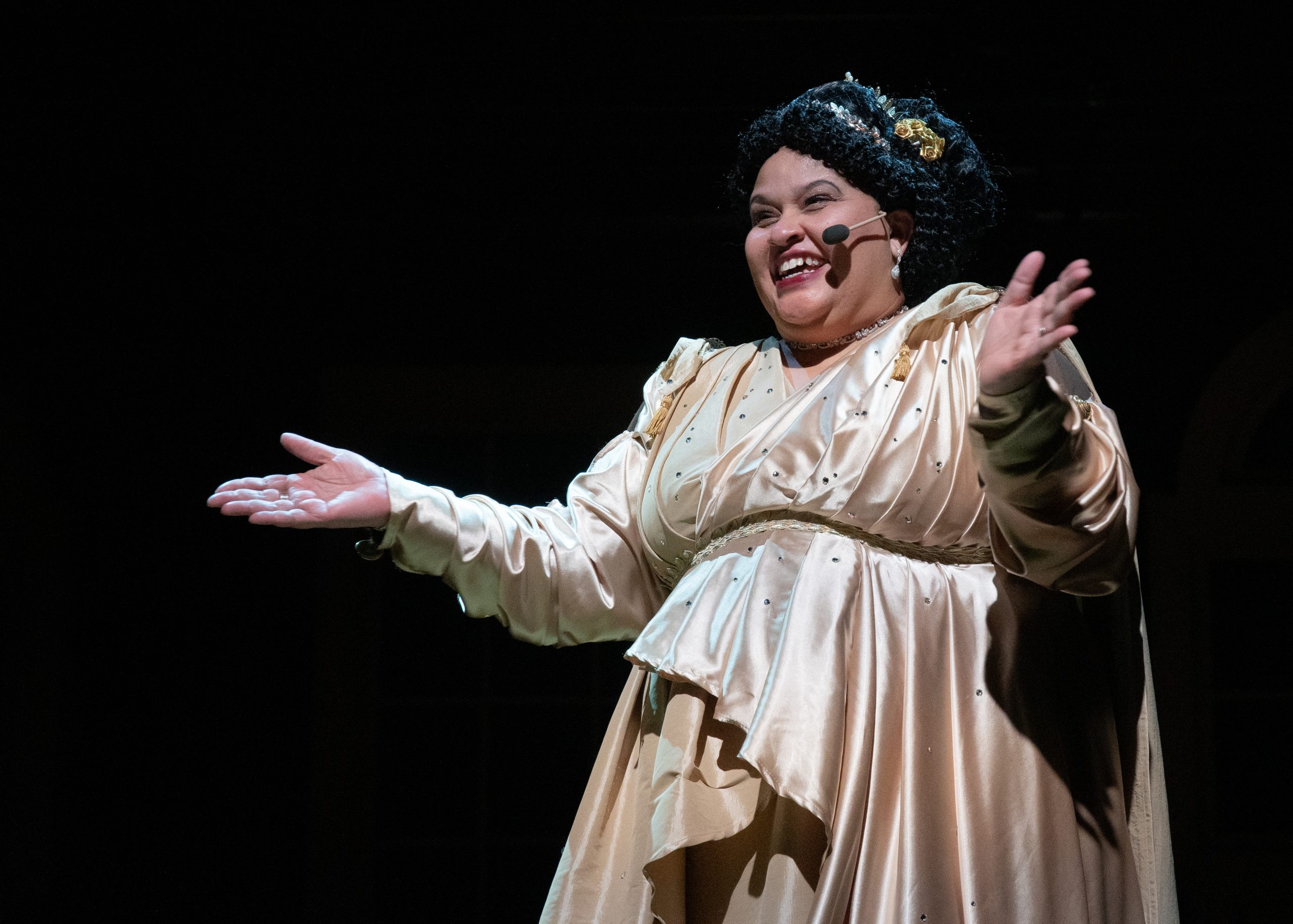
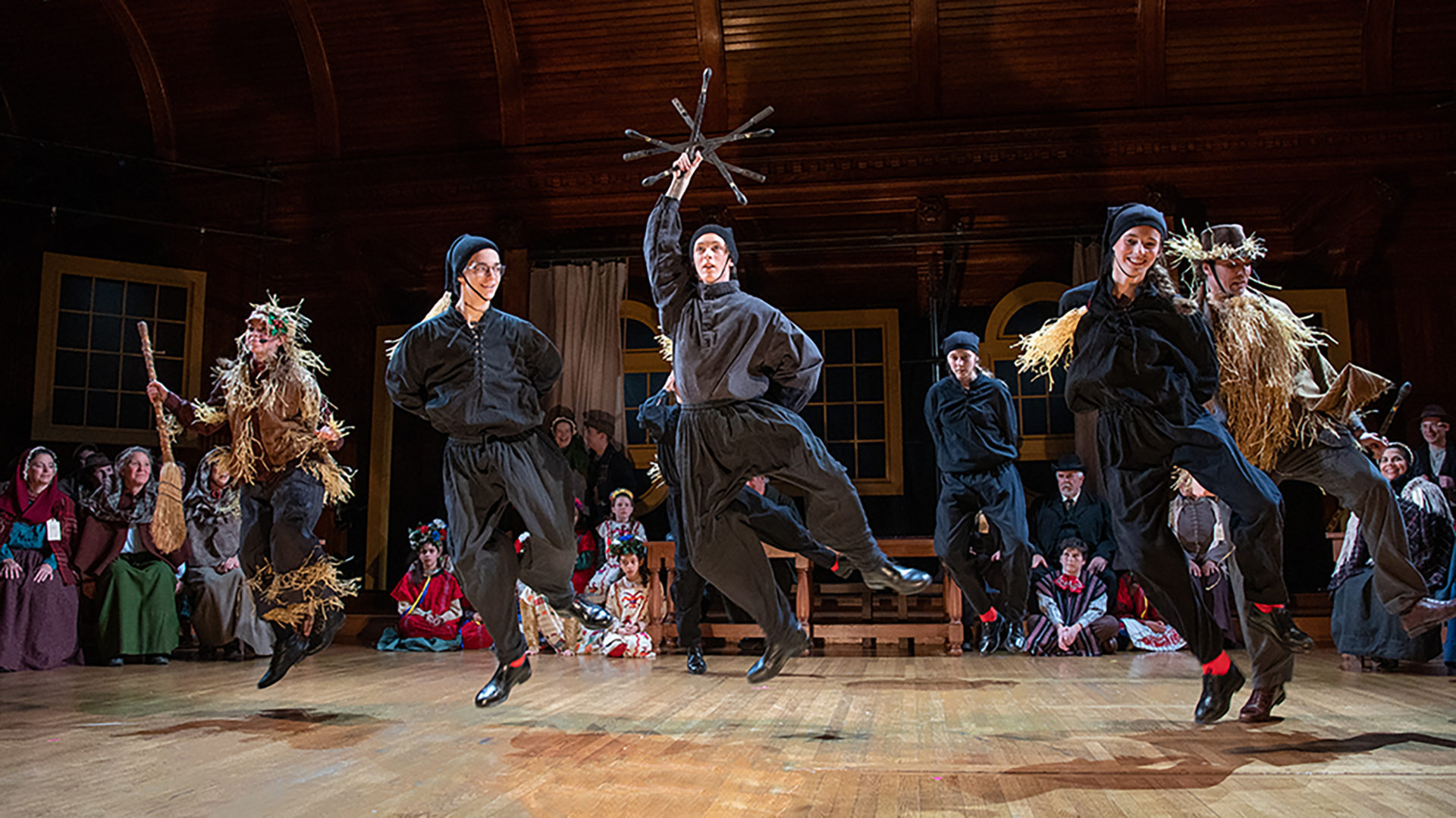
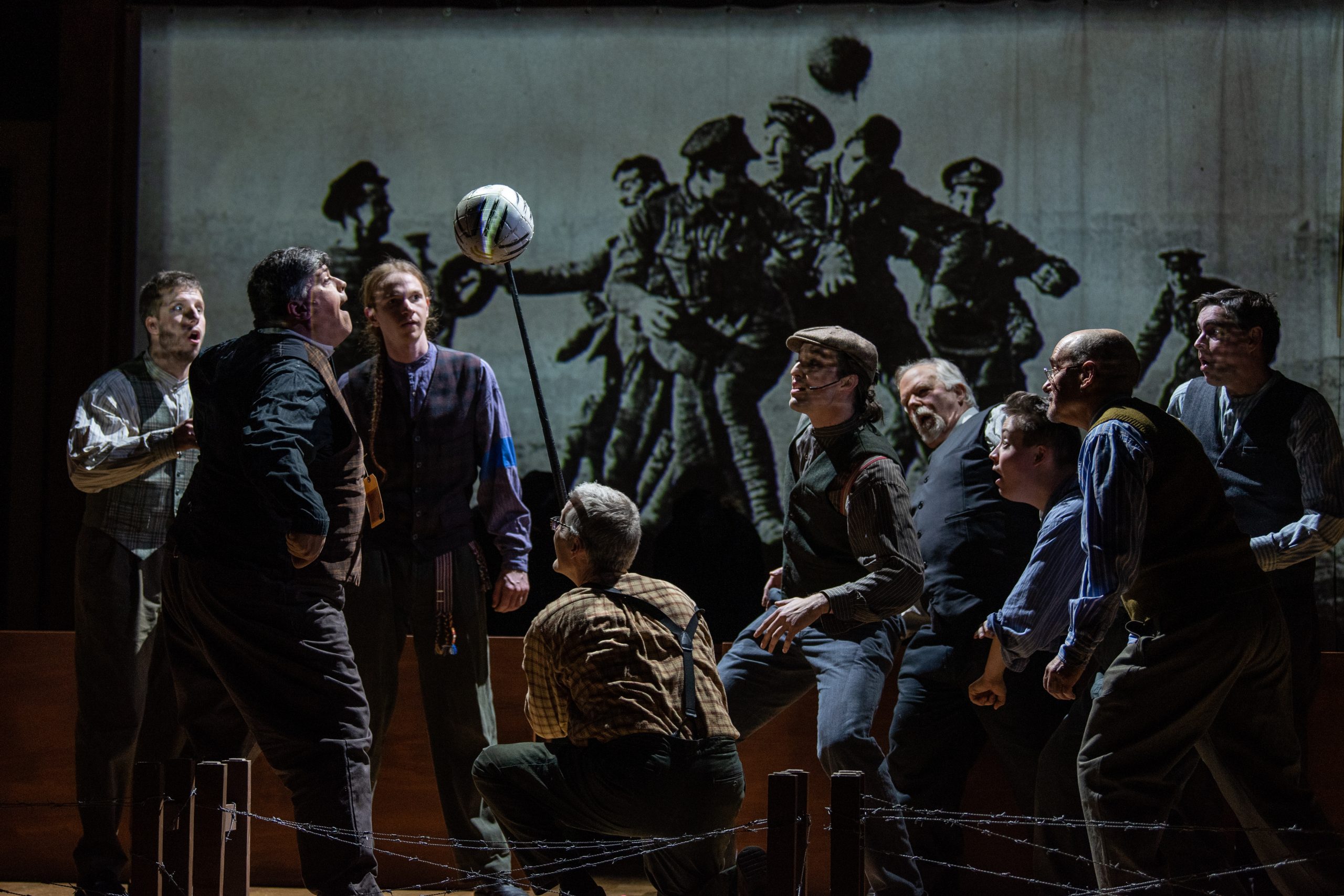
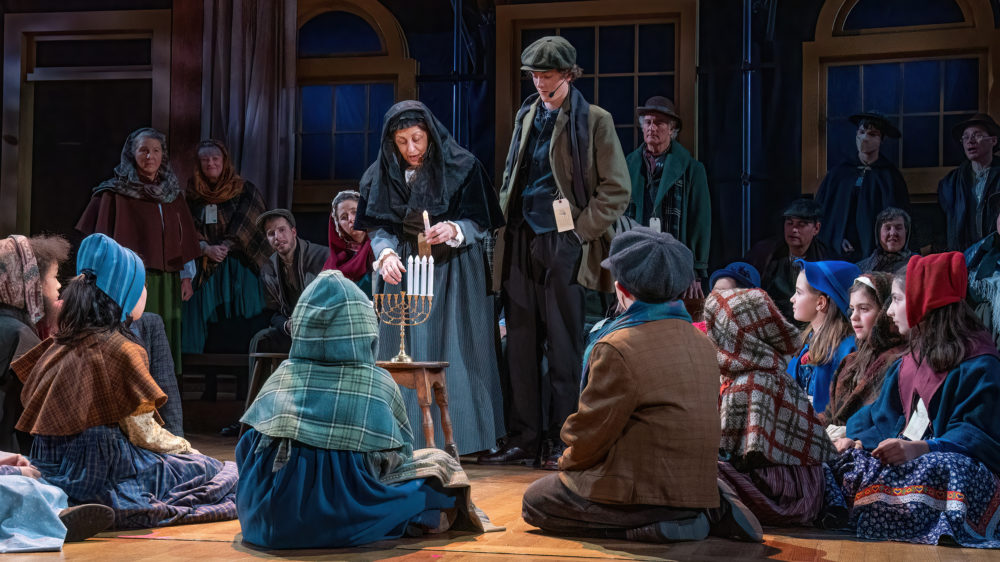
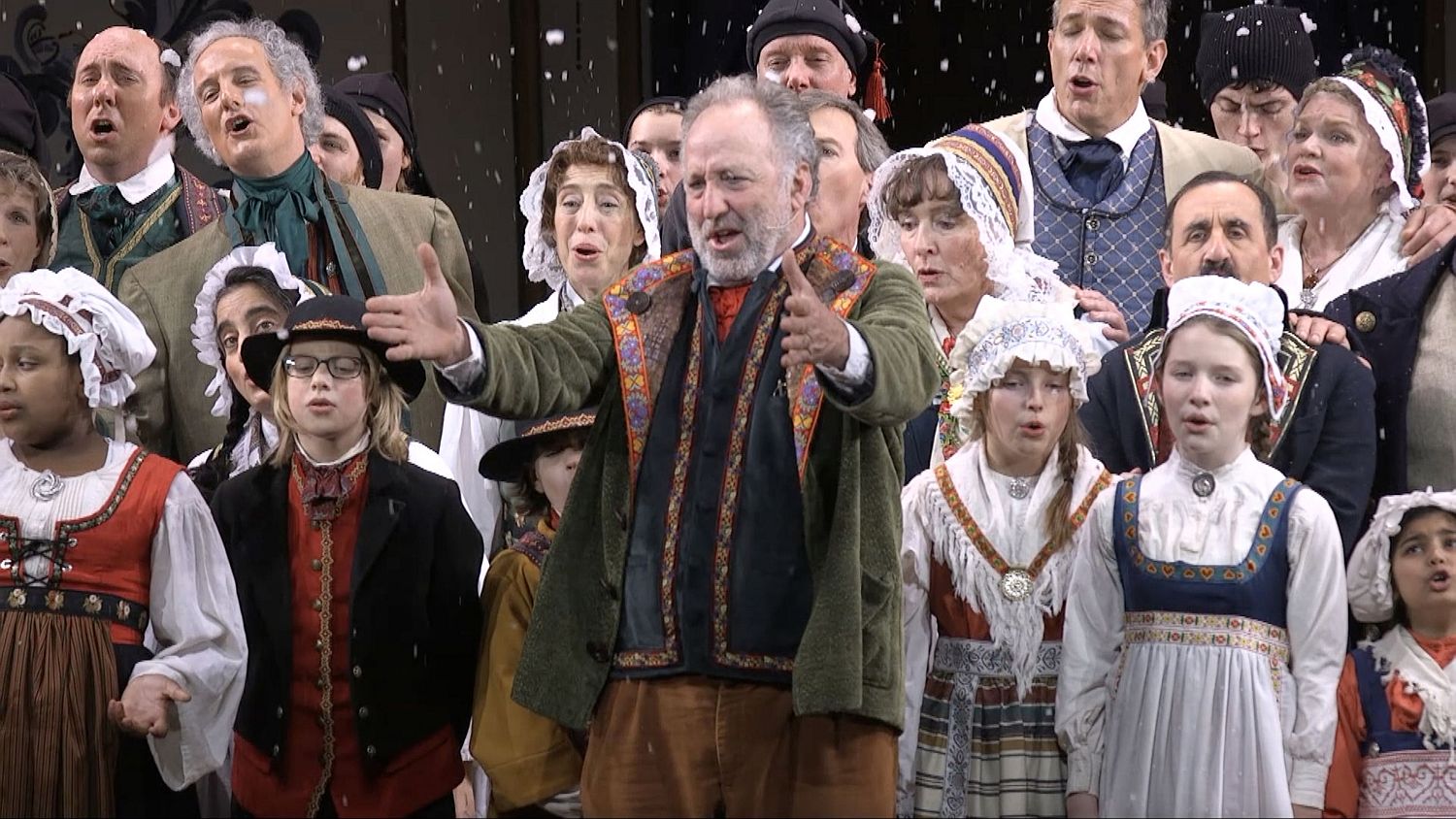
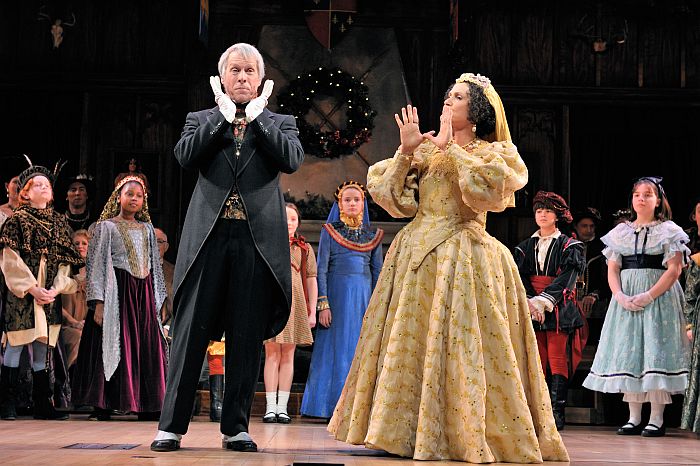
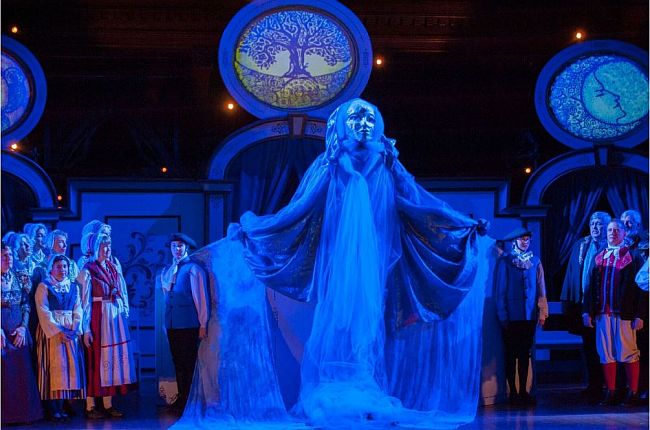
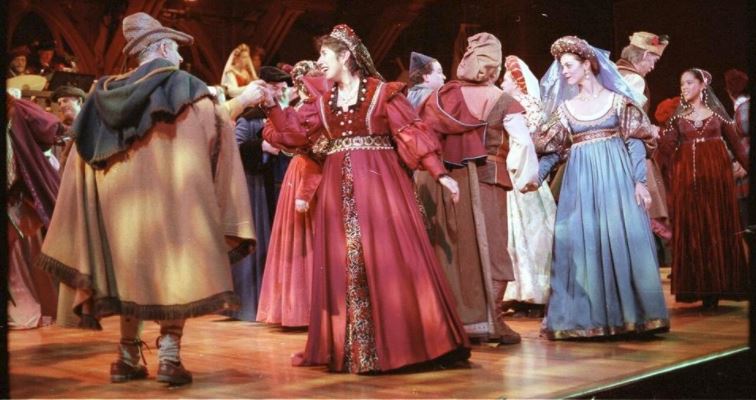
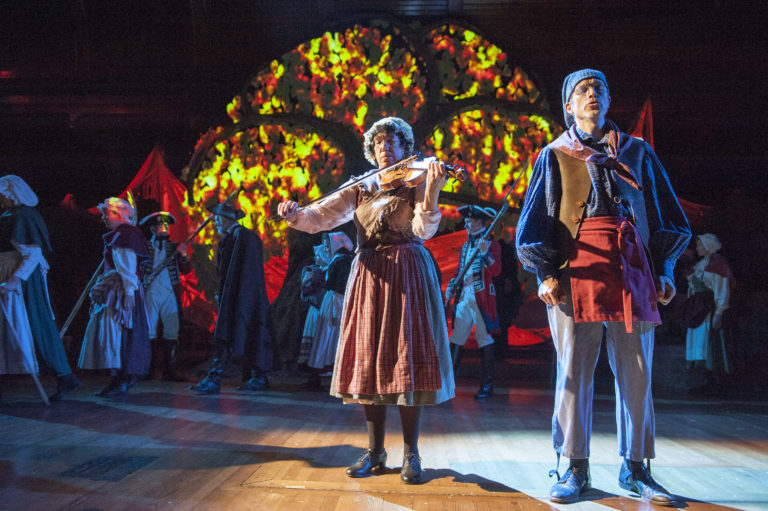
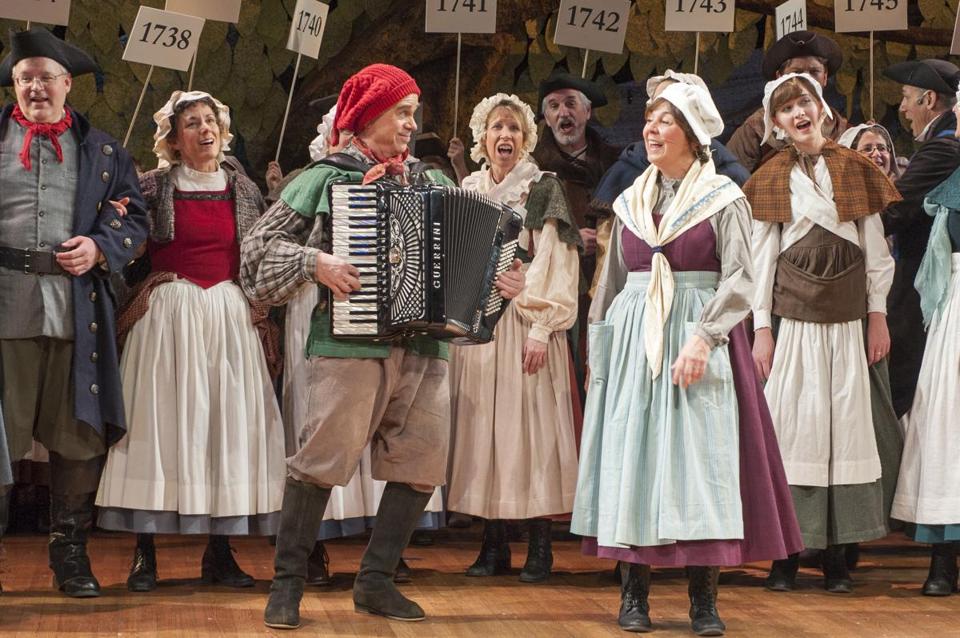
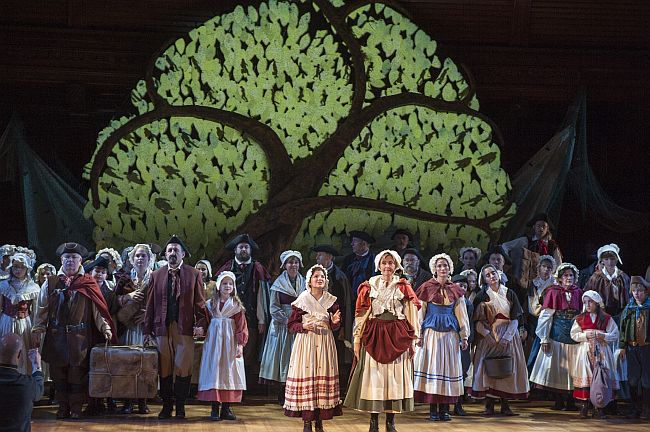
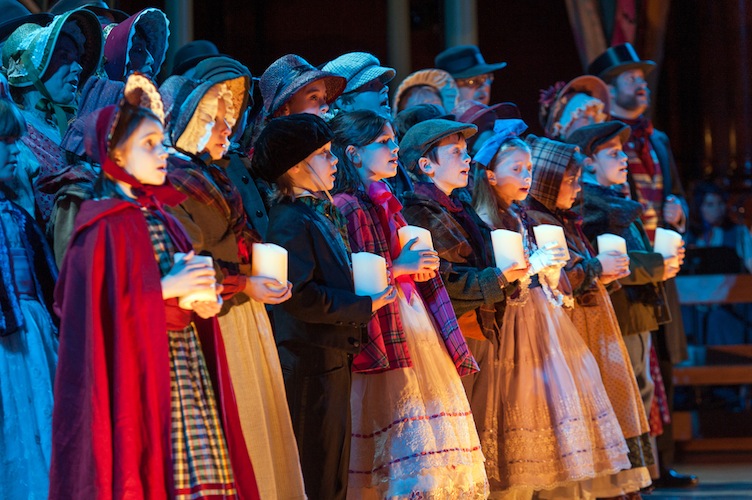
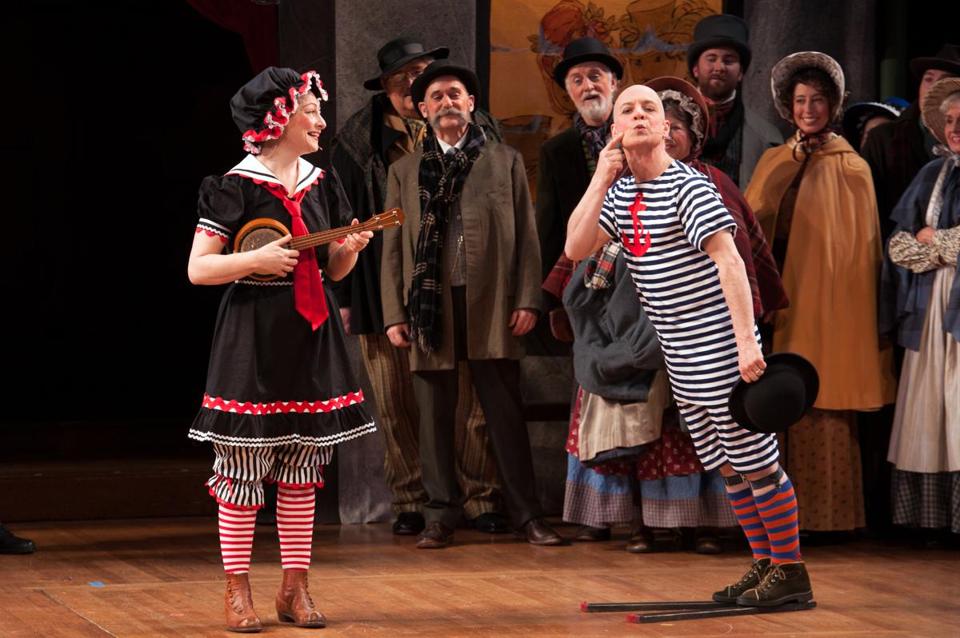
Revels was thrilled to be featured on GBH’s The Culture Show, hosted by Emmy Award-winning radio host, Jared Bowen, to talk about this year’s Midwinter Revels: A Scandinavian Story for Christmas – Inspired by Gregory Maguire’s “Matchless”!
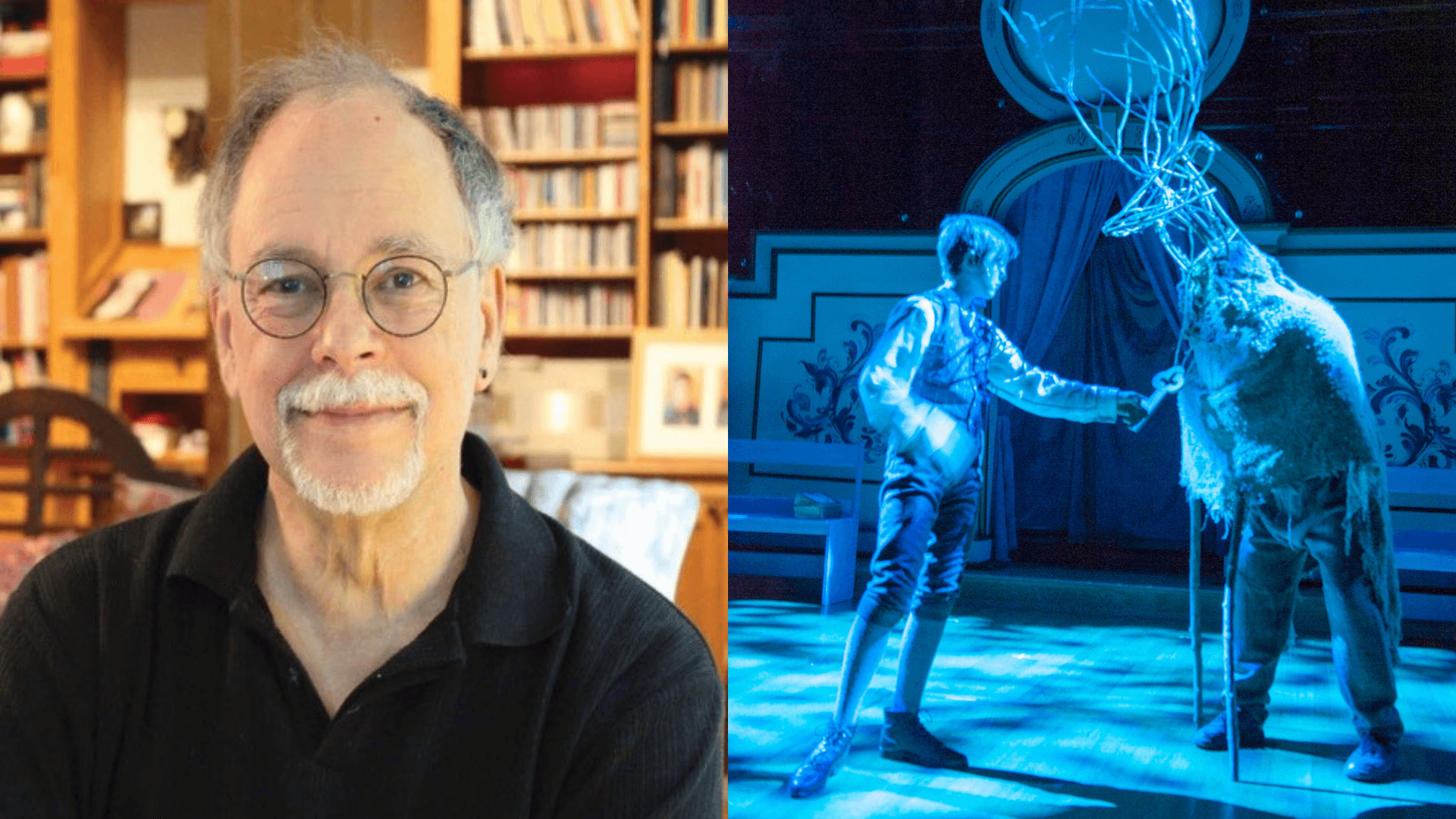
Jared sat down with Revels Interim Artistic Director and Midwinter Revels director Debra Wise, as well as internationally bestselling author Gregory Maguire, author of Wicked and Matchless, to discuss the show, its source material, and the magic of telling and sharing stories through generations.
You can listen to the entire interview on YouTube, and you can read the full transcription below. This interview was broadcast live on the air on Wednesday, December 3, 2025.
Jared Bowen: I’m Jared Bowen, live from the Boston Public Library, streaming on the GBH News YouTube channel, you’re listening to the Culture Show, and we’re listening to Midwinter Revels.
Midwinter Revels is a cherished holiday tradition. Each year it gathers stories and songs that illuminate cultures, mark the turning of the season, and remind us that winter has always been a time for imagination. This year’s production draws its inspiration from Matchless, a novella by Gregory Maguire, also the author of a little tale called Wicked, that reimagines Hans Christian Andersen’s “The Little Match Girl.” He expands the story into a portrait of a harbor town in winter, the neighbors whose lives run alongside hers, and the role of community, contemplating what we do, and don’t do, for one another.
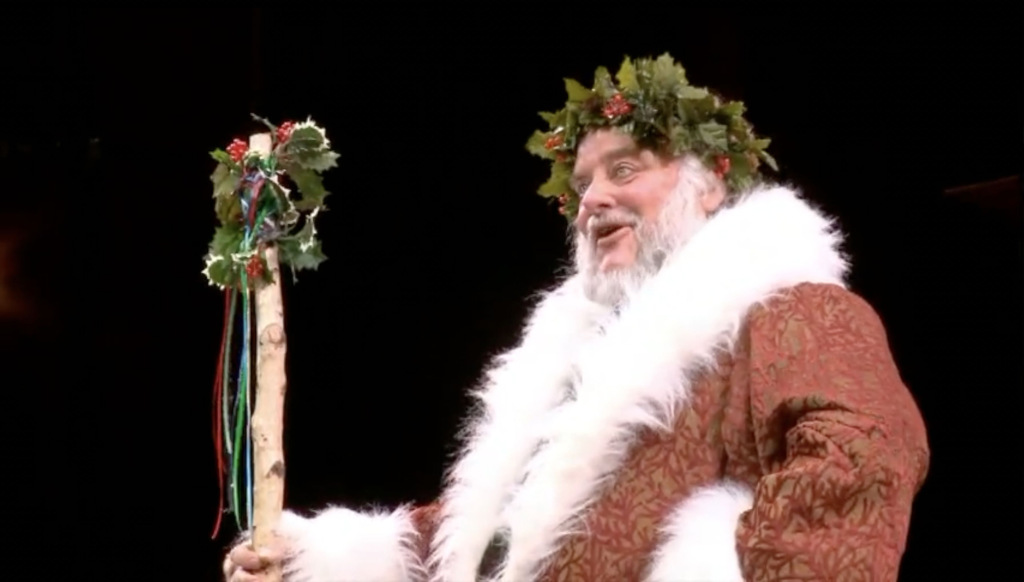
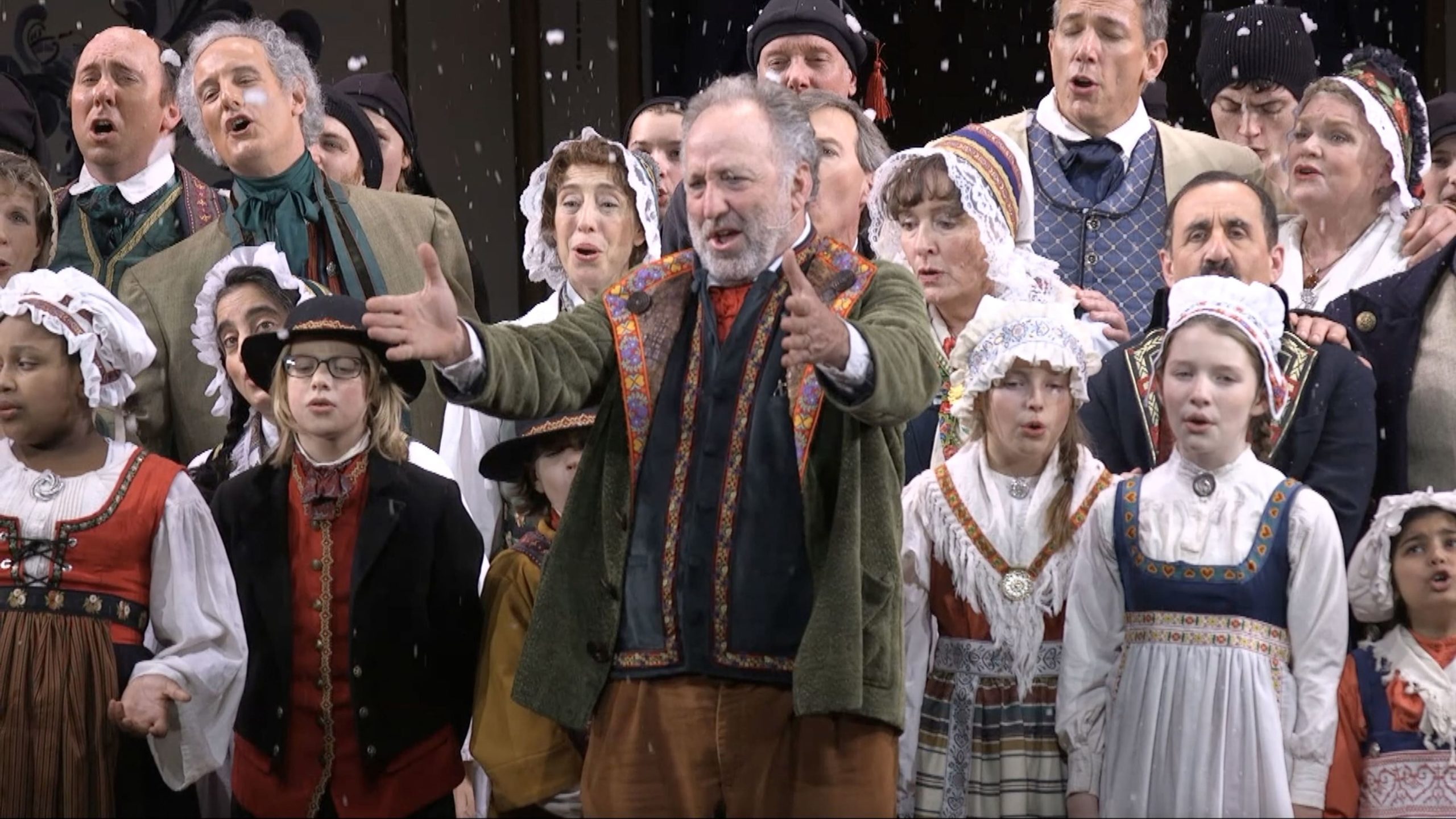
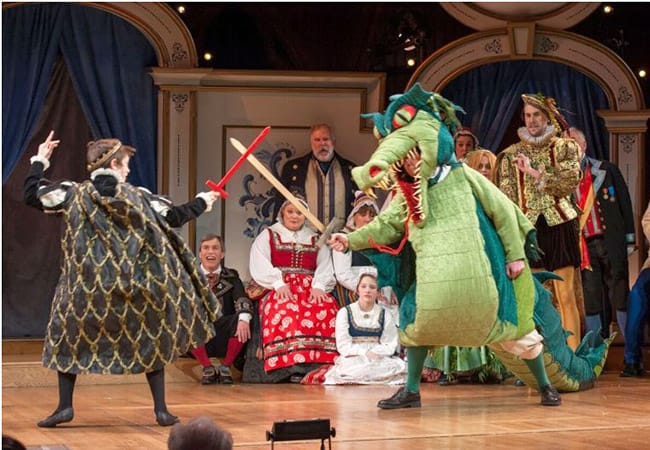
Directed by Debra Wise, Midwinter Revels folds Matchless into its signature mix of music, ritual, and storytelling, this year with a Scandinavian focus. It’s a pairing that feels, well, perfectly “matched” for the company’s way of reimagining winter tales. This year’s production will be performed at Sanders Theatre, December 12th through the 28th, and is followed by a virtual encore streaming option. Debra Wise is Revel’s Interim Artistic Director, and Gregory Maguire is a bestselling author whose books include Wicked, of course, the inspiration for the musical and the new films. He is the author of Matchless. Welcome to both of you, thank you for being here.
Debra Wise: Glad to be here.
Gregory Maguire: Thank you so much. We’re delighted to be here.
JB: Debra, let me start with you, because I know Gregory’s story resonated with you for a very long time. Why?
DW: I heard him read it on public radio when it first came out, it was 2008, is that right? And I remember thinking I could see it on stage. I could see how the audience would be drawn into the story of Frederik, this child who picked up whatever he could find, and through his imagination, transform it into… well, in this case, he’s creating a secret town to which he wants to invite other lonely souls to live with him on his island. So that’s the heart of the story, and I felt that we can create that, we can create that in the theater.

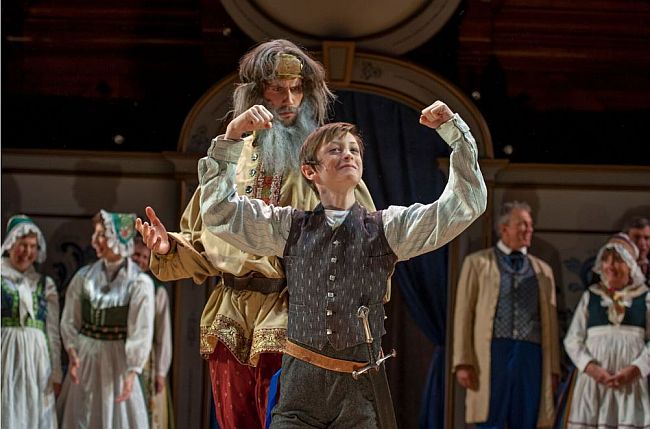
So we’re entering into Frederik’s story, and it was a wonderful adventure to do that for two years at Central Square Theater, and then to be able to take that piece that was done with just forty people, for forty people, and then expand it into the aesthetic of Revels, which is about seventy people, singers, dancers, storytellers, wonderful musicians… it seemed equally exciting and inviting. Because it’s also an intimate story, but it has an epic scale.

JB: Yes, Gregory, to that end, and not to sharpen the question I just asked Debra, but what did you see in Hans Christian Andersen? This is your gift… these little moments that you find and explore.
GM: I was invited by NPR to do a story, a Christmas story, and I immediately thought, well, I can’t have any of the modern commercial characters of Christmas, like snowmen and reindeer and stuff like that. And probably NPR won’t want me to veer too deeply into the Christian roots of the Christmas celebration, so that’s there. And I thought, where in the world is there something in between that still has power, and even magnificence, social magnificence, that does not trespass in either direction. And Hans Christian Andersen came up to me almost at once, as if he were waiting for me on the other side of the sound booth, saying, “I’m here! I’ve got something for you!”
I did love to do this, Jared, when I was a kid, I loved to read old stories and think, well, what about this person who only has one line then goes out the door, we never see again. What is their life like? Frankly, Jared, it’s the same question we ask when we’re riding the T. We see somebody who’s reading Field and Stream, and we think, “Well, what is your life like when you get off at Davis Square? Where is your ‘field and stream’? Why do you have that?” I mean, my imagination just gets caught by the loose threads, not by the intact, coherent, woven, and finished whole, but by the loose threads.
I have to say, I loved seeing that picture from your previous story, the portrait of George Washington that is rearranged in sixteen squares, I think. It’s a picture with a gold frame around it, but by rearranging it, the frame changes, not just its orientation, but also its meaning. I think what Debra does is try to break the frame, and I think what I do is try to break the frame also, to invite more people in. There are some who might say “Scandinavia? That’s awfully European and white of us here in Boston, isn’t it?” No, the frame can always be broken, because the story… the village may have grown to seventy people from forty, but the story is about isolation and loneliness, and the need for frame-breaking.
JB: And an incredibly heartbreaking story, but it reminds us of this need for community, and how, to continue on, how often do we not look up when we’re on the T, especially now with our phones. We don’t necessarily recognize the other people, and maybe somebody who is in need, and this is the time of year when we want to be especially reminded of this. This is why it is perfect fodder for Midwinter Revels.
DW: Yes. I’m distracted thinking about, Gregory, about the story you like to tell about your imagination of Frederik. Because the story, although it started with the Match Girl, that story by Hans Christian Andersen, it becomes the story of Frederik.
GM: Yes, I think that most people, my generation and older, of which there are increasingly few, know the story of “The Little Match Girl,” who, in the original, it’s New Year’s Eve, goes out to sell her last few matches, but can’t sell them. And she’s very poor, she’s freezing, her mother has died. And she lights matches in the end to try and keep herself warm in her starvation moment, and to try and keep her hope up in her moment of desperation. And in the end of Hans Christian Andersen’s story, two things happen; she dies of the cold and of neglect, of poverty and want, and she is reunited in heaven, a heaven that for a 19th-century audience would have been as real as the person reading Field and Stream on the T. It was a known concept that would have been consoling.
My job for that story was to say, “How can I look at what Hans Christian Andersen left for us, one of his darkest and most despairing of stories, and retell it in a way that connects it to our spirit of community, our spirit of life and joy?” Revels is a great match, because singing and dancing, and children on the stage, it’s community building at its heart. But this had to happen through this story, basically, of one child alone on the street, the evening that she dies. So I read the story, it’s only about four pages long, and in one scene, just as the Little Match Girl is lighting her second match, I think, her shoe falls off. And before she can reclaim it, a little boy darts out of the shadows and picks it up, and says, “This will make a great boat for my babies!” and runs away with it. So she now has a bare foot in the cold and ice and snow.
Well, that’s all well and good, but that’s where Hans Christian Andersen left her, and left the boy! What boy is going around at ten o’clock at night looking for a boat for his babies in the lost shoes of starving children? It kind of doesn’t compute. So I thought, “Who could that boy be? Why would he be out so late and alone? What does he mean by ‘a boat for my babies’?” Don’t we all want to make boats for our babies? Isn’t that what we really want to do? That’s what Revels does, and what this story does, to tie together – I gave this child a name, Frederik – to tie together his desperate story with the Match Girl’s, and bring the bows together, and lace the laces, so there’s continuity, and there’s transcendence for both of them.

DW: And Frederik’s family, and what was left of the Match Girl’s family, join together and make a new family. And the cast… at rehearsal yesterday, we were talking about how one thing that the characters have in common, the characters in the story, is that they’re available to love. That in spite of challenge or the uncertainties or the sadness that life inevitably brings, these characters look at each other, make eye contact, and reach out to each other, and love each other. And it is quite a lovely realization to make.
GM: It’s a new way of saying that the child is brought to her mother’s breast when she dies. This is another way, another emblem of the same kind of collectivity that the season is all about, and that Revels has always celebrated so gloriously and so well.
JB: Speaking of Revels, we are talking about Midwinter Revels, onstage at Sanders Theatre December 12th through 28th. It’s followed by a virtual encore streaming option. Joining me is Debra Wise, Interim Artistic Director of Revels and director of this production, and Gregory Maguire, the bestselling author, of course, of Matchless, among many, many stories. Let’s bring the music into this. Gregory, we’ll talk to you and your own connection to the music through your own biography. This is a piece that introduces us to the chorus.
(Plays “Villemann og Magnhild”)
So this is Frederik’s theme. How do you bring music in? How do you weave music into this, and how do you see its role in the show?
DW: One of the aspects of the story that makes it easy is that Frederik has such an active imagination. So “Villemann” is a very old story about two lovers on their way to be wed. And she falls into the river, she’s almost claimed by the river troll, but the beauty of the music made by her lover saves her. And so that is an epic story, right? And we have this sort of marching rhythm… It’s very easy to imagine Frederik, on his way to the city, feeling like he’s inside that story. So I think there’s that moving into the imagination of our hero, but also the fact that there’s this community of people that look out after him. Here’s this odd child, who’s a little bit on the outside of things, but he loves to collect things, so we have these things for him, right? So when he goes out into the city, he’s greeted by this huge community that’s celebrating Christmas. He witnesses them dancing and singing… so that expansion from the intimate and private to this community is actually very much what Revels is about.
GM: I can see a little boy marching along… (begins to hum along)

JB: So, Gregory, people who are hearing you, they know your writing, but music is very core to who you’ve been as well, including with Revels?
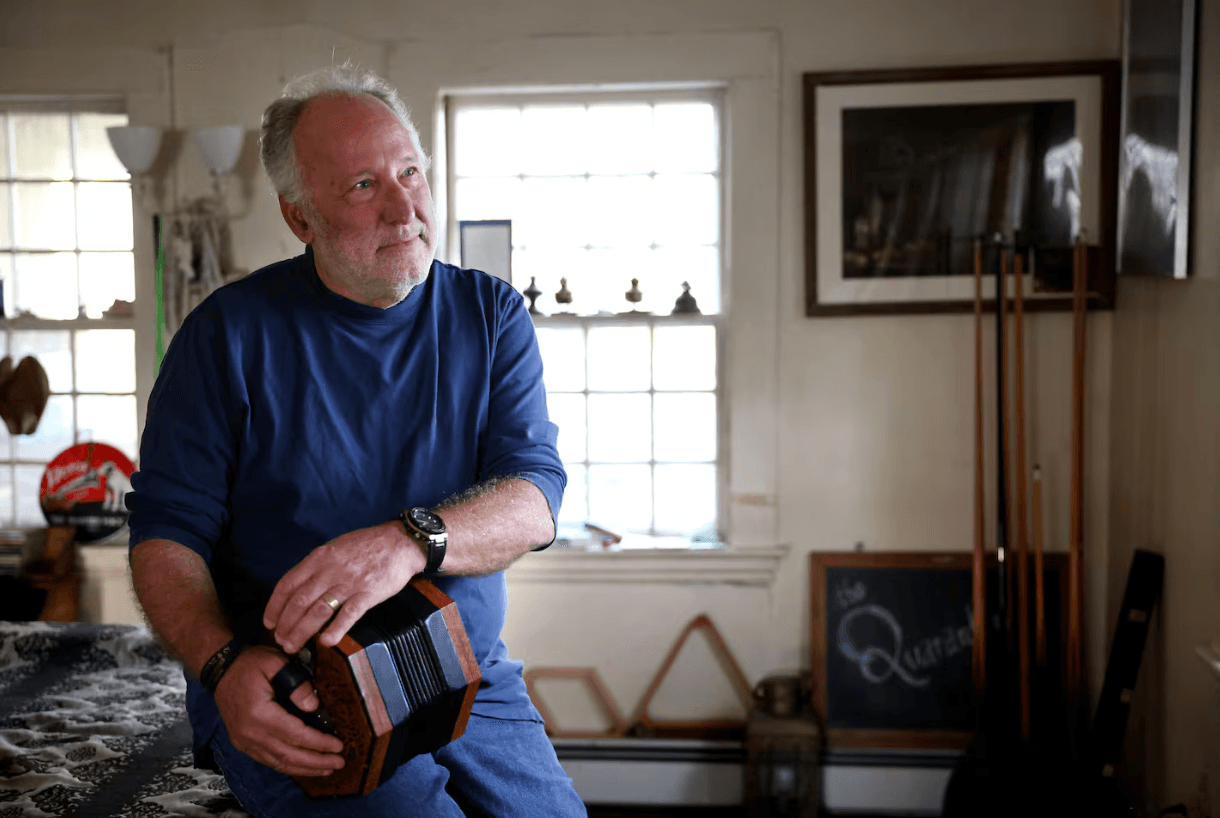
GM: Yes, actually, when I moved to the Boston area forty-seven years ago, it was September, and by November, I was practicing for the first Revels that I was in, that first year, because I’d been told about it. And I was a fan ever since.
What I like to think about, Debra, is I finally see a three-level symbology, if you will, as if there are three acid pages that can be laid, one on top of another, and they are about the story of “The Little Match Girl” itself, where that boy, in Hans Christian Andersen’s language, says “this would make a boat for my babies.” He’s clearly making something. He made something. Hans Andersen made something. I read that story, and I made something, not just of Hans Andersen’s story, but I made the boy be a creator, an inventor, the way that Hans Andersen did. And now, at Revels, it’s not three pages of acid paper, it’s five. Debra is making a story to fold it in yet again. Maybe it’s a little bit like, you know, bread dough, where you just keep folding it and kneading it and it just gets larger and larger, and smaller and smaller and more magnificent.
JB: Well, I wanted to go back to that original story. What was Andersen doing here? When you’re aware of his own biography, for Andersen’s story, what is he telling? Because his was a very difficult childhood, very impoverished circumstances. What is he sharing?
GM: I have not read a lot of Andersen in a while, but at one point in my life, I had read everything he wrote for children. And he wrote adult things as well. Almost all of his stories feature a character who is marginalized and thought ill of, and tries to, or needs to, or at least wants to improve his or her lot and become more embraced in the community that has ostracized him.
The classic one is “The Ugly Duckling.” The Ugly Duckling is scorned by his beautiful brothers and sisters until he grows up to be more beautiful than the rest of them. Well, that was Hans Christian Andersen’s professional ambition: to grow up and be more praised, more lauded. He would never be more beautiful because he was not a comely man, but he certainly made for himself the place in the world that he needed to have in order to feel justified. I think that this… we always talk about marginalized people, but I’ve come around to thinking that we’re all marginalized, we just have to tick the box on the thirty-page document, which way are you the most marginalized? We can all find about fifteen things we could check the first time through.
I think that Matchless is about somebody who is right on the fringe, but still deserves salvation, however it comes, and that’s also Frederik. And Debra has found a way to make the two stories refer to each other, lift each other up. If you think “The Little Match Girl” is a sad story, well, come to Revels! Because you will find something different. It’s a joyous story in the way that it is unpacked for you here.
JB: Well, we look forward to it. It’s such a fabulous tradition every year, especially when it’s homegrown as this one is. Thank you both for being here. Gregory, you’re saved by the bell. I was going to ask you one question about all of the success of Wicked, but we don’t have time for that today. We’ll talk about that some other time, but congratulations on all of that.
GM: Thank you, it’s so good to see you. Thank you everybody. Thank you, Debra.
DW: Thank you!
JB: Midwinter Revels is onstage at Sanders Theatre December 12th through the 28th. It will be followed by a virtual encore streaming option. To learn more, go to revels.org. Debra Wise is Interim Artistic Director of Revels. Gregory Maguire is a bestselling author whose books, Wicked, of course, are the inspiration for the musical and the new films, and he is the author of Matchless. Thank you for listening to another edition of The Culture Show. Tune in tomorrow for Tony Award-winning actor Matt Doyle talking to me about his new holiday show, and working with Stephen Sondheim. I’m Jared Bowen, have a great day.